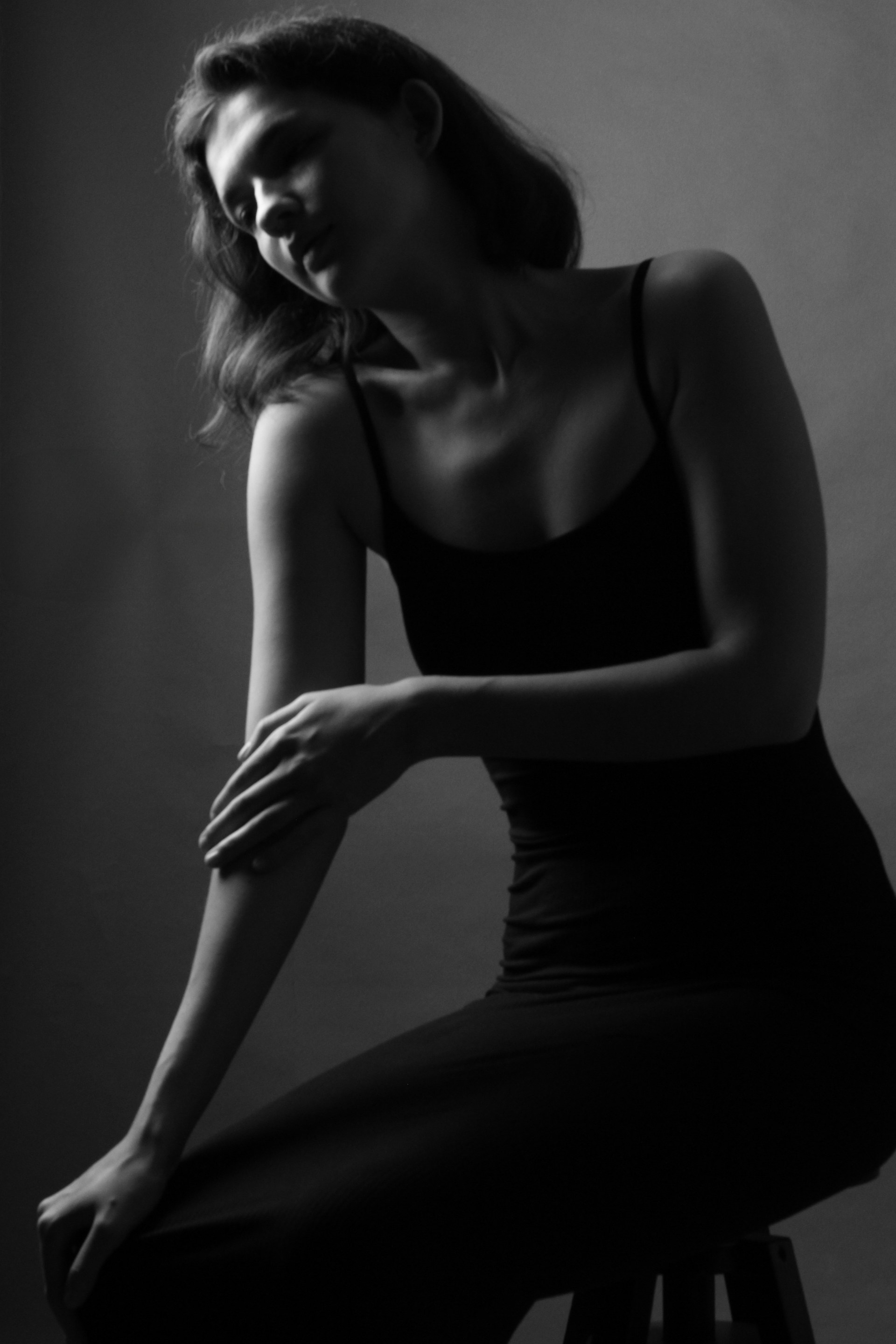
There is a tendency, in discussions of editorial photography, to treat hair and makeup as finishing — the final layer applied after the creative decisions have been made. This is a fundamental misunderstanding of how images are actually constructed, and it is a misunderstanding that costs productions time, money, and visual coherence.
Hair, in particular, is architecture. It determines the proportional relationship between the model and the garment. It shapes the silhouette before the silhouette even begins. It carries cultural, historical, and aesthetic references that either reinforce or contradict the direction of everything else in the frame. Getting it wrong at nine in the morning on a six-hour production day means getting the image wrong.
Laurent has long-standing working relationships with a small group of hairstylists whose approach to editorial work is consistent with how we think about the discipline. We spoke with three of them — anonymously at their request — about how they approach a Laurent production.
"The brief is a starting point, not an instruction"
"When I get a brief from a production, I read it for what the photographer is trying to achieve, not for what they're asking me to do. Those are sometimes the same thing and sometimes very different things. My job is to serve the image, not the instruction. If the instruction produces the image, I follow it. If it doesn't, I have a conversation."
This approach requires trust between the hairstylist and the photographer, and it requires that the hairstylist arrive with enough knowledge of the photographer's visual language to have that conversation credibly. All three stylists we spoke to described spending time before a new collaboration researching the photographer's archive — not to imitate their previous work, but to understand the visual grammar they operate in.
"The model's hair is part of the model's identity"
"I never touch a model's hair as though it belongs to me. It belongs to them. My job is to work with what they have — the texture, the growth pattern, the history — in a way that serves the image without erasing what's already there. The best hair in editorial photography always looks like it could have happened naturally. The worst looks like something was done to a person."
This has specific implications for how Laurent books hair talent for productions. We prioritize stylists who have demonstrable experience with the full range of hair textures and who approach that range with equal technical preparation. A stylist who is excellent with straight hair and unprepared for natural or coiled textures is not, for our purposes, a complete editorial resource.
"The difference between a good image and a great one is often two centimeters"
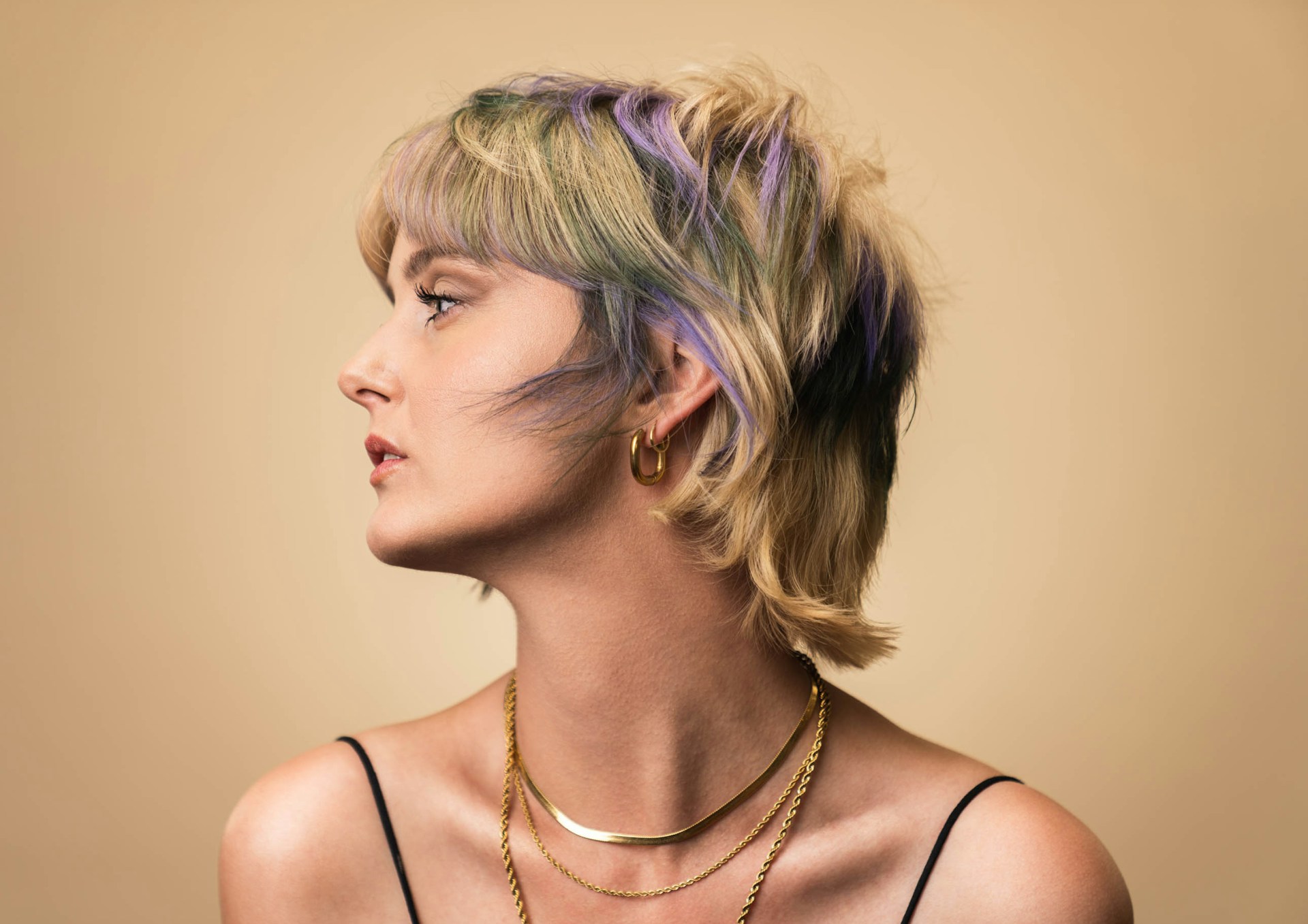
"I have been on sets where every single element was correct — the clothes, the lighting, the model, the environment — and the image was not working. And it was because the hair was doing something that was one degree off from what the rest of the frame needed. Not wrong. One degree off. Two centimeters of adjustment and the image clicked."
This level of attention is not perfectionism for its own sake. It is the practical recognition that images operate at the level of detail, and that production teams who understand this produce consistently stronger work than those who don't.
Laurent's commitment to working with specialist talent behind the camera — not just in front of it — is part of why the imagery produced on our productions has the quality it does. Hair is not a detail. It is a decision, and decisions made well produce images that last.