

There is a particular quality that casting directors call "gravity" — a model's capacity to hold attention not because of what they are doing, but because of what they are. It is not beauty, exactly. Beauty is common enough in this industry. Gravity is not.
Zara Osei has it. She has had it since she walked into her first Laurent casting five years ago, twenty minutes early, wearing nothing remarkable, and made every other person in the room aware of exactly where she was standing.
That quality — unnameable, untrainable, impossible to manufacture — is the reason she is now the agency's most consistently requested talent for major European campaigns. But the more interesting story is not that she has it. It is what she has done with it.
Selective to the point of obstruction
In her first year, Zara turned down three bookings that the Laurent team assessed as solid stepping-stone placements. She was not arrogant about it. She was precise. She had a clear picture of the career she was building and an equally clear picture of which opportunities would complicate that architecture rather than support it.
At twenty, that kind of clarity is unusual. It is also sometimes commercially counterproductive, and we told her so. She listened, considered, and held her position. In the years since, every one of those declined bookings has been forgotten. Every one of the campaigns she chose instead remains a visible part of her portfolio.
The lesson was not lost on Laurent's management approach. Selectivity at the right career stage is not stubbornness. It is construction.
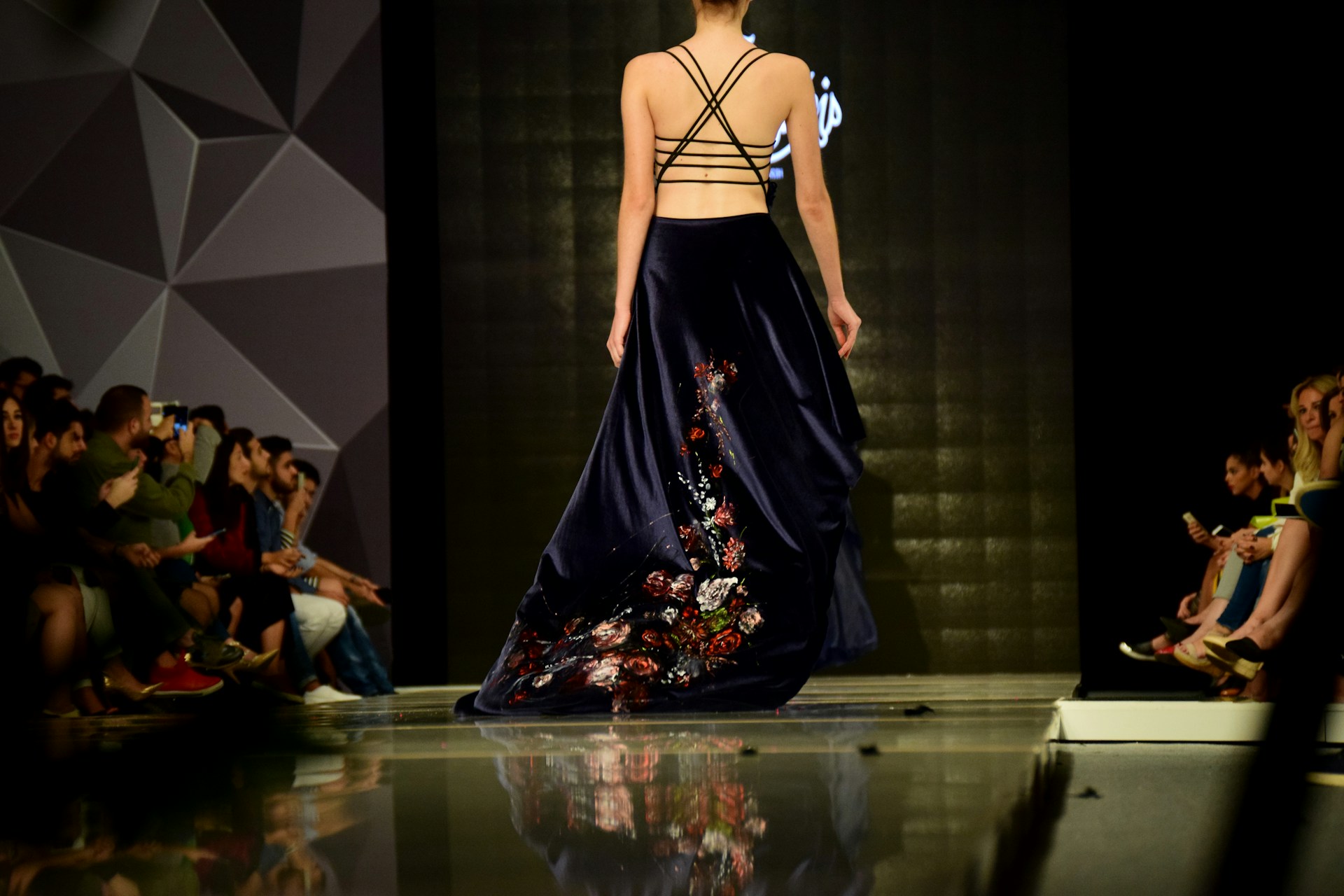
On set: what the photographers say
Nadine Ijewere, who shot Zara's breakout editorial in 2023, described her in an interview as someone who "gives you more than you asked for and nothing you didn't need." Jawara, who has worked with her repeatedly, notes that she arrives with a physical awareness of the light — she doesn't wait to be positioned. She finds where she needs to be.
These are not small professional qualities. They are the qualities that reduce production time, sharpen creative output, and explain why a model gets rebooked not once but repeatedly across years.
The political dimension
Zara is outspoken about representation in the European luxury market, and she is not outspoken in the way that is safe or calculated. She says specific things about specific practices — casting ratios, hair and makeup preparedness for Black models on European sets, the difference between being featured and being included.
Some brands have found this uncomfortable. Those brands have generally not rebooked her. The brands that have rebooked her are the ones that understood that her willingness to name problems is the same quality that makes her exceptional in a frame: she does not perform comfort she doesn't feel.
What comes next
Zara turns twenty-six this June. In modeling terms, she is in the decade that defines whether a career becomes a legacy or a catalogue. She is not indifferent to this. She is, if anything, more selective now than she was at twenty — not out of fear, but out of accumulated knowledge about what actually lasts.
Laurent's assessment is simple: she is building something. We are here to protect the architecture.


