

A beauty campaign is not a simpler version of a fashion campaign. It is a different category of image-making with its own logic, its own casting requirements, its own relationship between talent and product, and its own set of failure modes. The brands and agencies that treat it as a reduced version of broader campaign photography consistently produce images that are technically adequate and commercially inert.
Laurent has been paying close attention to beauty campaign production for three seasons, partly because our talent appears in them with increasing frequency and partly because the category has been changing in ways that have direct implications for how we manage casting conversations in this space.
The central problem with beauty imagery
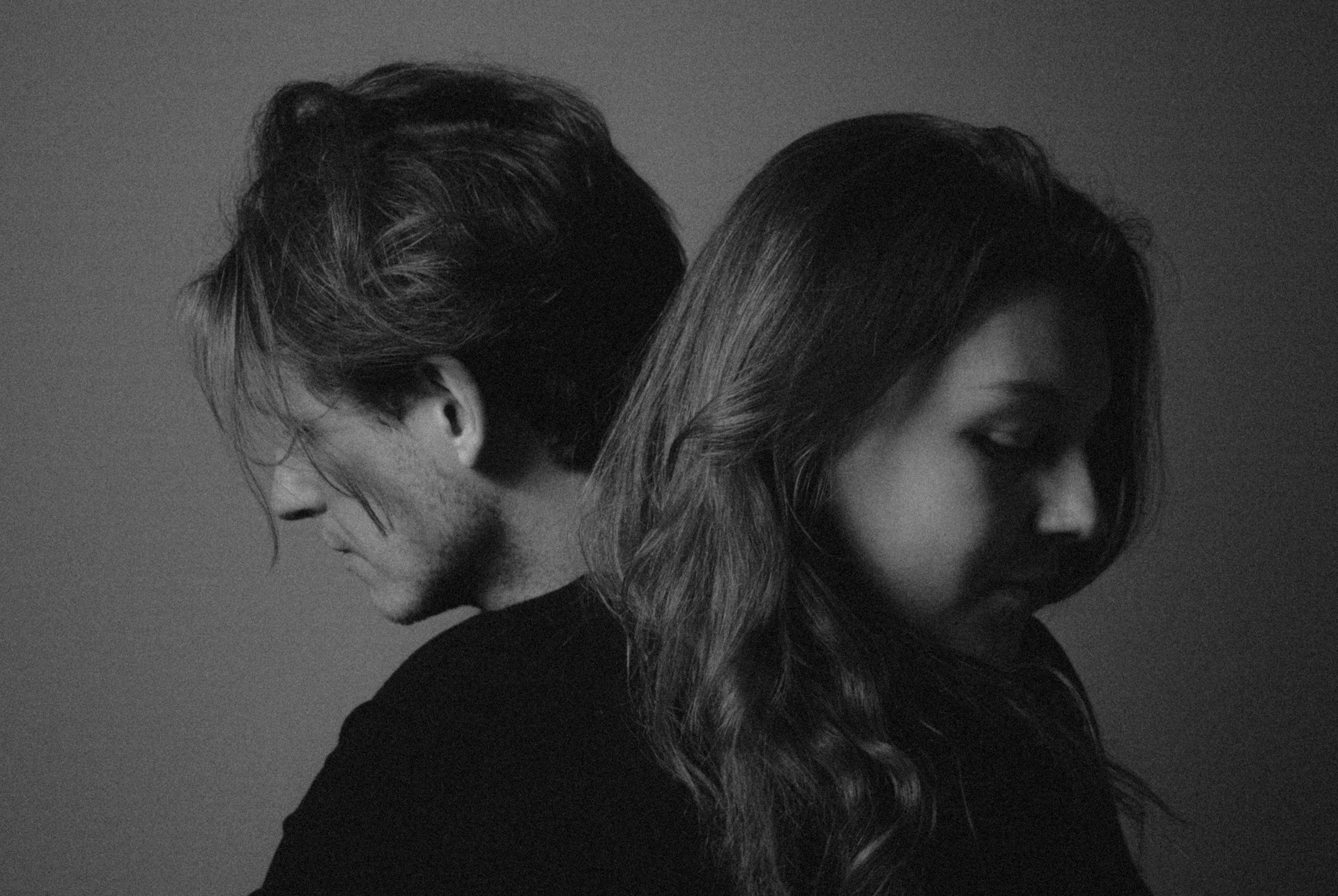
A beauty campaign operates under a specific and demanding constraint: the product must be legible, the talent must be human, and the relationship between the two must not feel transactional. These three requirements exist in permanent tension. Most beauty campaigns resolve that tension by eliminating one of the three requirements, usually the humanity of the talent, and produce images that are technically clean, commercially functional, and emotionally empty.
The campaigns that perform at the highest level, that generate genuine recall and emotional response, are the ones that find a way to hold all three requirements simultaneously. The product is visible. The person is present. The connection feels earned rather than manufactured.
What this requires from the model
The casting implications of this central problem are specific. Beauty photography requires a model who can sustain genuine interior presence in extreme close-up for extended periods, under lighting conditions that are designed to reveal texture rather than flatter, with the camera at a distance that would be uncomfortable in any other social context.
This is not what most models train for. The physical skills of fashion modeling, the spatial awareness, the movement vocabulary, the ability to command a frame, are useful in beauty but insufficient. What beauty photography requires above all of these is comfort with proximity and the ability to generate warmth in conditions of clinical scrutiny.
Very few models possess this quality at a high level. The ones who do, Léa Fontaine and Rania Lopez among Laurent's current roster, are consistently rebooked for beauty work across multiple brands because the quality is rare enough that brands compete for access to it.
The lighting conversation
Beauty photography in 2026 has undergone a significant shift in lighting direction that has direct implications for talent selection. The high-key, even lighting that dominated prestige beauty imagery for two decades, the kind that produced skin without texture, faces without shadow, a visual perfection that looked increasingly computational, has been substantially displaced by a harder, more directional approach.
Contemporary prestige beauty imagery uses light to reveal rather than conceal. It finds the architecture of a face rather than smoothing it. It treats skin texture as information rather than noise. This is, in creative terms, a more honest and more interesting approach. In casting terms, it is considerably more demanding: a model photographed in this style has nowhere to hide, and the ones who succeed in it do so not because their faces are technically perfect but because their faces have something that light revealing truth makes more visible, not less.
The product relationship
The way a model relates to the product she is representing in a beauty campaign is visible in the image, and brands frequently underinvest in this aspect of production preparation. A model who is photographed with a fragrance she has been handed thirty seconds before the shot looks different from a model who understands the fragrance's context, who has worn it, who has been given the creative history of the product and the brief for the campaign with enough depth to make the relationship feel genuine.
Laurent now includes product orientation time as a standard component of our briefing process for beauty bookings. The additional production time this requires is small. The difference in the imagery is not.

