

Every season, the runway delivers two parallel sets of information. The first is the obvious one: the clothes. The second, less reported but more operationally useful for agencies and casting departments, is the talent information — who was booked, in what order, how many times, and in what visual context.
The SS26 season was particularly legible in this regard. Several consistent signals emerged across houses that have implications for the next eighteen months of editorial and campaign casting.
Signal one: the return of the unhurried walk
The pace at which a model walks a runway is not incidental — it is a creative direction, and it reflects a broader aesthetic stance. SS26 saw a marked shift away from the propulsive, high-energy runway style that dominated several recent seasons in favor of a slower, more deliberate gait.
This is connected to the restraint shift we have noted in campaign imagery. The houses that set the aesthetic pace this season — Loewe, Bottega, The Row's first runway presence — wanted their clothes to be observed, not passed. The models who responded most effectively to this direction were those with physical confidence rooted in stillness: they could slow down without becoming self-conscious, which is considerably harder than it sounds.
For casting purposes, this signals a continued premium on what Laurent calls structural presence — the ability to generate attention through being rather than doing.
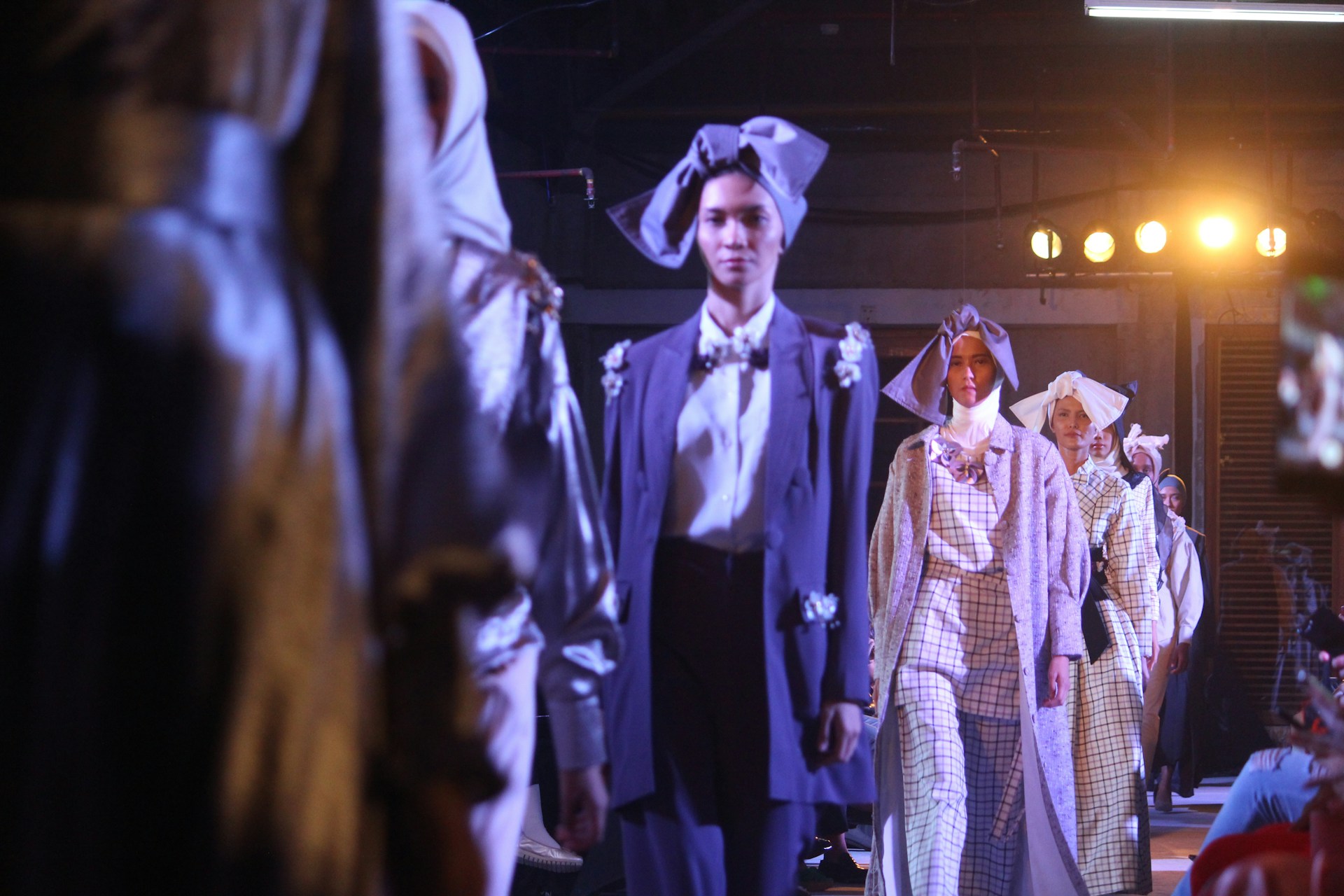
Signal two: diversity as architecture, not gesture
The diversity conversation in runway casting has shifted from quantitative to qualitative — from "how many" to "where and how." SS26 showed clear evidence that the more forward-thinking houses are moving beyond the practice of diverse casting as visual statement and toward diverse casting as genuine creative construction.
Models of varied backgrounds were placed in lead positions, in hero looks, in opening and closing slots — positions that carry visual weight and indicate genuine integration rather than quota fulfillment. The casting agencies and houses driving this are producing stronger imagery as a result, because the visual tension created by genuinely diverse casting — different bodies, different features, different presences in dialogue — produces more interesting images than the aesthetically homogeneous runway.
Laurent has been building toward this for several seasons. Our roster reflects the conviction that the full range of human presence is not a compromise of a visual standard — it is an elevation of it.
Signal three: experience is being revalued
One of the most quietly significant observations from SS26 was the presence — in prominent positions, for major houses — of models who are not new. Talents in their mid-to-late twenties, with established careers and recognizable faces, were booked not despite their familiarity but because of it.
This reflects something that the industry periodically forgets and then rediscovers: experience produces images that inexperience cannot. A model who has walked a runway two hundred times moves differently than one who has walked it three. That difference is visible. The houses that invest in experienced talent get a return on that investment in the quality of the image.
Laurent has always maintained that career longevity is a value proposition, not a liability. SS26 provided considerable runway evidence for that position.

